
Managing Family Conflict with Empathy and Understanding: Practical Techniques to Bring Your Family Back into Balance
Family conflict can quietly chip away at the warmth and trust in your home. When tensions rise, simply raising voices often makes things worse, leaving everyone feeling unheard and frustrated. This post shares practical family conflict resolution techniques rooted in empathetic communication that can restore calm communication at home and help your family heal together. Ready to explore ways to bring balance back with kindness and understanding? [https://pollackpeacebuilding.com/blog/solving-family-conflict-teach-kids/]
Understanding Family Dynamics

Family dynamics set the stage for either harmony or conflict. Let’s explore how conflict arises and the role of empathy in smoothing tensions.
The Roots of Family Conflict
Family conflict often stems from unmet needs. When you feel ignored or misunderstood, it can lead to frustration. For example, a child might act out if they feel overshadowed by siblings. This frustration can boil over into arguments, making home life tense.
You might also find that contrasting values or habits create friction. Consider a teenager wanting independence clashing with parental rules. These everyday situations can quickly escalate without a plan. Understanding these root causes is the first step in resolving conflicts.
Importance of Empathetic Communication
Empathy acts as a bridge, connecting you to your family’s feelings and needs. When you communicate empathetically, you listen and validate others’ perspectives. Imagine your partner feeling stressed; empathy helps you respond with understanding, not judgment.
Empathetic communication not only calms immediate tensions but strengthens long-term bonds. It encourages openness and trust. Most people think loud voices solve problems, but a gentle tone often paves the way to resolution. To delve deeper into empathetic strategies, explore this resource on healing family conflict.
Practical Conflict Resolution Techniques

Empathy is key, but how do you put it into action during conflicts? Here, we break down techniques that can transform your family dynamics.
Active Listening Techniques
Active listening can turn a heated argument into a productive conversation. Start by giving your full attention—this shows respect and willingness to understand. For example, when your child expresses frustration, repeat what they say in your own words. This confirms their feelings are heard.
Next, ask open-ended questions. Instead of “Did you have a good day?” try “What made your day interesting?” This encourages dialogue and shows genuine interest. These methods not only resolve conflicts but create connections, strengthening your family bonds.
Setting Healthy Boundaries
Boundaries are essential to maintain respect and space. They prevent small issues from becoming large conflicts. Begin by identifying personal limits. Perhaps you need quiet time after work. Communicate these boundaries clearly and kindly to others.
Encourage family members to set their own boundaries, creating mutual respect. For instance, respecting a teen’s privacy can reduce potential arguments. Healthy boundaries promote a harmonious living environment and reduce tension.
Strengthening Family Relationships
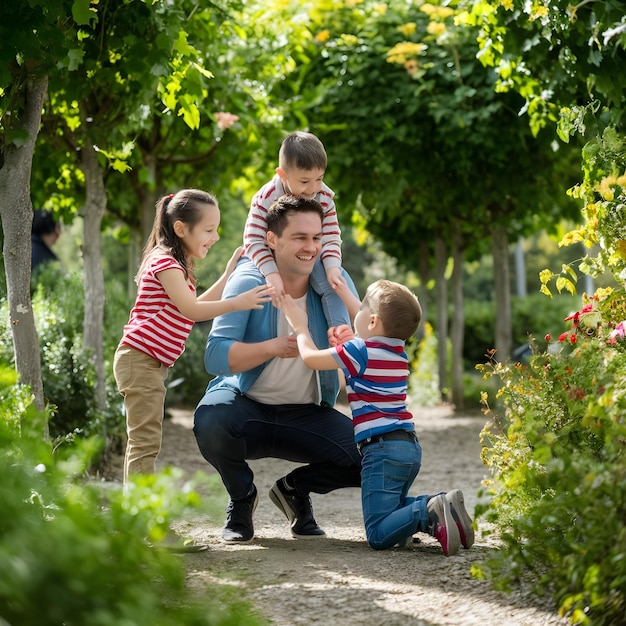
Resolving conflicts is just the beginning. Focus on repairing and strengthening your relationships for lasting peace at home.
Repair After Conflict
After a conflict, repairing relationships is crucial. Apologies play a vital role. A genuine apology acknowledges hurt and paves the way for forgiveness. Encourage open communication about feelings post-conflict to prevent resentment.
Incorporate family activities that promote bonding. This could be as simple as a weekly game night. These moments reinforce positive interactions and mend relationships. For more tips on reconciling after a disagreement, consider this guide on dealing with difficult family relationships.
Building Resilience and Growth
Building resilience helps your family handle future conflicts better. Encourage an open environment where everyone shares feelings. This normalizes discussions about emotions and reduces stigma.
Involve all family members in setting goals, such as improving communication or spending quality time together. Achieving these goals fosters a sense of accomplishment and unity. Remember, the longer you wait to address these areas, the more entrenched problems become.
Strengthening your family’s resilience ensures that conflicts become opportunities for growth. For more resources on conflict resolution, explore these techniques for families.
By understanding family dynamics, employing practical conflict resolution techniques, and focusing on relationship strengthening, your family can move towards a more balanced and peaceful home environment. With guidance from Inner You Development, your path to growth and resilience is supported every step of the way.