
Emotional overwhelm can sneak up quietly, then suddenly everything feels too much to handle. You might notice racing thoughts, shutting down, or feeling on edge without clear reason. This post will help you spot the signs of overwhelm, understand what’s behind them, and introduce simple, practical steps to steady yourself and regain control. Ready to find your feet and take back balance? Let’s start here.
Recognising Emotional Overwhelm

Emotional overwhelm isn’t just feeling stressed; it’s when life’s demands exceed your ability to cope. Let’s explore how to spot it and what might be causing it.
Common Signs of Overwhelm
Feeling like you can’t catch a break? It’s one sign you might be experiencing emotional overwhelm. You might feel more tired than usual or find it hard to focus. Racing thoughts can make simple tasks feel impossible. Physically, your body might ache or you might feel shaky. Noticing these signs early can help you take action.
An example of emotional overwhelm could be feeling so burdened by work and personal demands that even choosing what to eat for dinner feels daunting. When these feelings persist, they can lead to burnout or anxiety. It’s crucial to identify these signs as they arise.
For more insights on recognising emotional overload, check out this detailed guide.
Causes of Emotional Stress
Understanding why you’re overwhelmed is the first step to managing it. Common causes include work pressures, relationship issues, or health concerns. Everyone has a unique set of triggers.
Consider a parent juggling job responsibilities while caring for children. Financial worries or a lack of support can amplify stress. It’s not uncommon for these pressures to build up gradually.
Sometimes, a sudden change like a job loss or move can tip the scales. Recognising your stressors is vital. This article on emotional overwhelm offers more on what might be behind your stress.
How to Manage Overwhelm
Feeling stuck is frustrating. But there are ways to manage emotional stress. Start by acknowledging your feelings. It helps to talk to someone you trust or write down your thoughts.
Breaking tasks into smaller steps can make them feel less daunting. Prioritise what’s most important and let go of what’s not urgent. Remember, it’s okay to ask for help when needed. Small changes can make a big difference in how you feel.
For more ideas on coping with emotional stress, explore this resource on strategies.
Practical Strategies for Steadiness

Now that you know what emotional overwhelm looks like, let’s dive into strategies to regain balance. These are simple actions you can take today.
Grounding Techniques and Micro-Breaks
One effective way to manage stress is through grounding techniques. These help you stay present. Try focusing on your breath or noticing five things around you.
Micro-breaks are also essential. Taking short breaks throughout your day can recharge your mind. Even a five-minute walk or a moment to stretch can help. Regular practice can improve your mood and focus.
For more grounding tips, this blog on practical strategies is a great read.
Importance of Boundaries and Sleep
Setting boundaries is crucial. It might mean saying no to extra work or setting limits on screen time. Boundaries protect your time and energy.
Sleep is also vital for managing stress. Aim for 7-9 hours a night. Good sleep can improve your mood and help you handle challenges. Creating a bedtime routine can support better rest.
Think about a time you felt overwhelmed. Did a lack of sleep or poor boundaries play a role? Identifying these factors can help prevent future stress.
Relationship and Family Check-Ins
Regular check-ins with loved ones can support emotional health. Open communication helps you understand each other’s needs and stresses.
Plan a weekly chat with a partner or family member. Use this time to discuss any concerns and celebrate achievements. It’s a chance to support one another.
For those needing more guidance, consider family counselling to enhance communication and resolve conflicts.
Seeking Professional Support
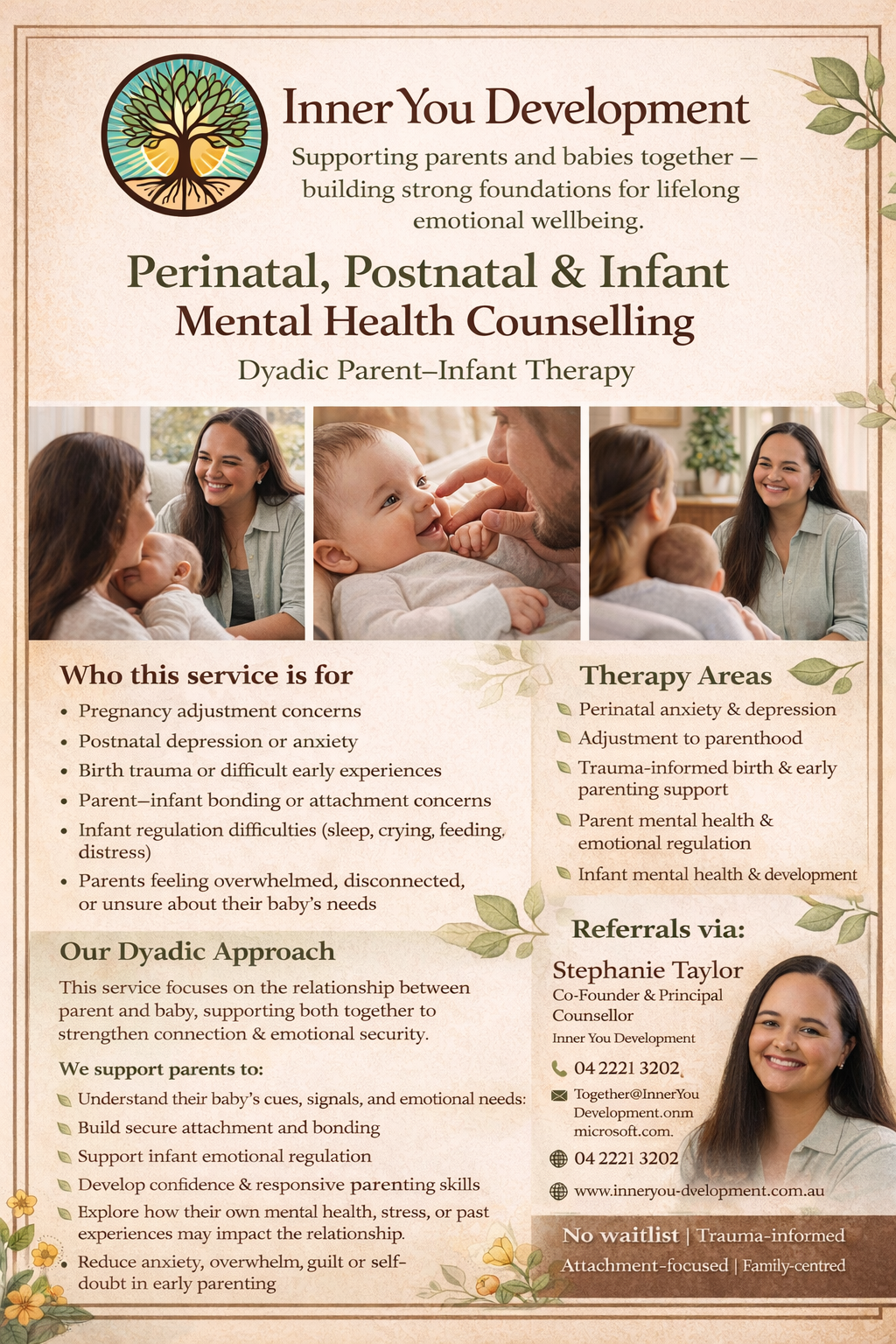
If self-help strategies aren’t enough, professional support can make a difference. Let’s explore options available to you.
Benefits of Evidence-Based Counselling
Counselling offers a safe space to explore your feelings. Evidence-based approaches ensure you receive effective support tailored to your needs.
A counsellor can help you develop coping strategies and work through challenges. Regular sessions can build resilience and confidence. Remember, reaching out is a sign of strength, not weakness.
For more on how counselling can support you, see our approach to mental health support.
Exploring Employee Assistance Programs
Employee Assistance Programs (EAP) provide free, confidential support through your workplace. They offer counselling and resources for personal and work-related issues.
An EAP can be a valuable resource if you’re feeling overwhelmed by job stress. Speak to your HR department to see if your organisation offers this benefit.
Discover more about the role of EAPs in supporting workplace wellbeing.
Online Counselling Australia: What to Expect
Online counselling gives you access to support from the comfort of your home. It offers flexibility and convenience, especially for those with busy schedules.
Through video or phone sessions, you can connect with a qualified counsellor at a time that suits you. It’s an effective way to address emotional overwhelm and build coping skills.
For Australians seeking professional help, online counselling is a practical and accessible option.
By recognising emotional overwhelm and learning how to manage it, you take the first step towards a more balanced life. Whether through self-care strategies or professional support, help is within reach. Remember, the journey to steadiness begins with a single step.